
Showing work that happens out of sight
Vincent Piront renovates industrial and commercial roofs in Belgium and Luxembourg. The trade has one particularity: everything happens up high, out of sight. Once the job is done, a new roof says nothing about what it took to lay it.
To show that know-how to future clients, you have to have been there before the works, during them and after. Many construction companies are in the same position: the result is not enough, it is the worksite that convinces.
What I brought
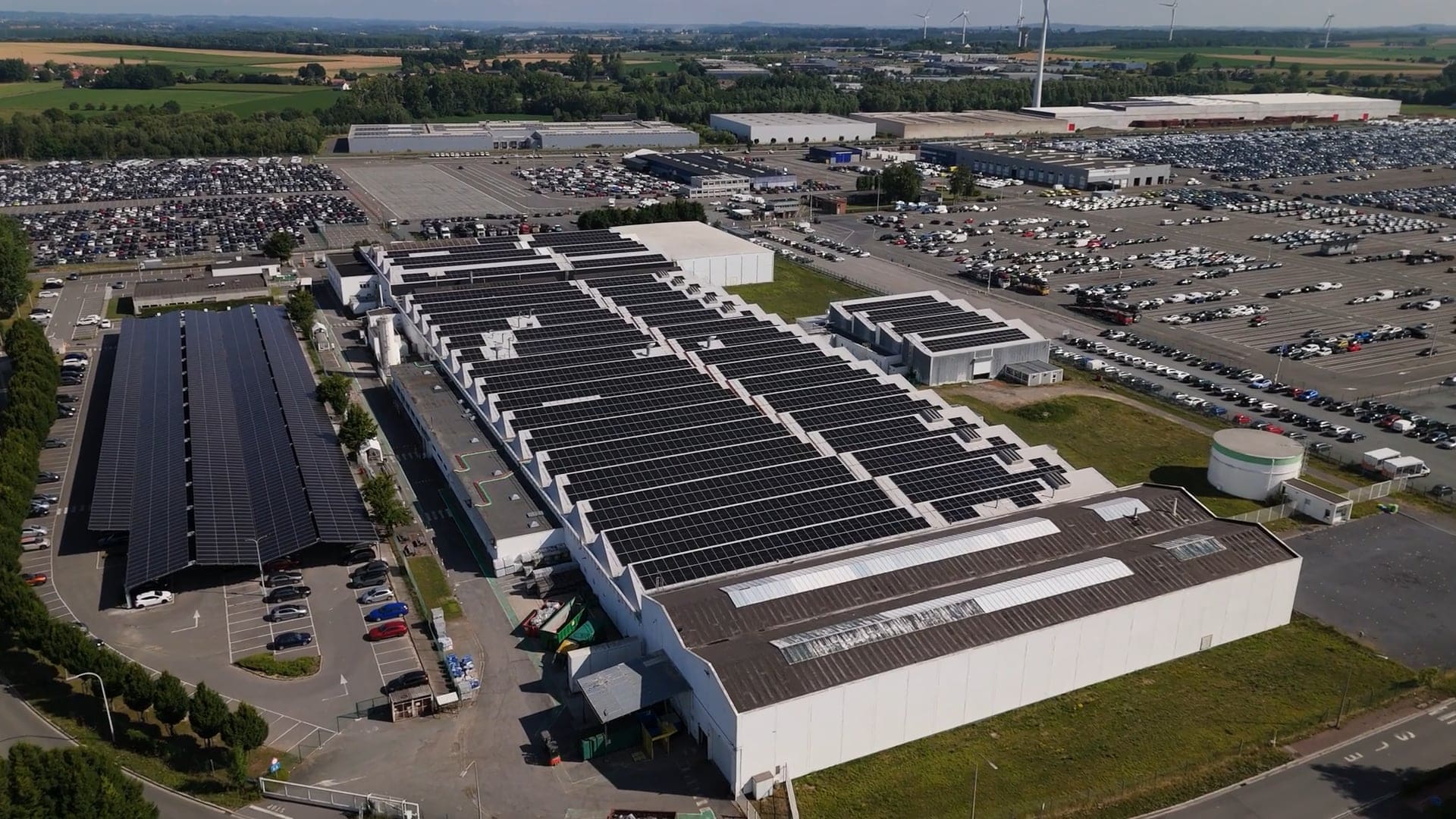
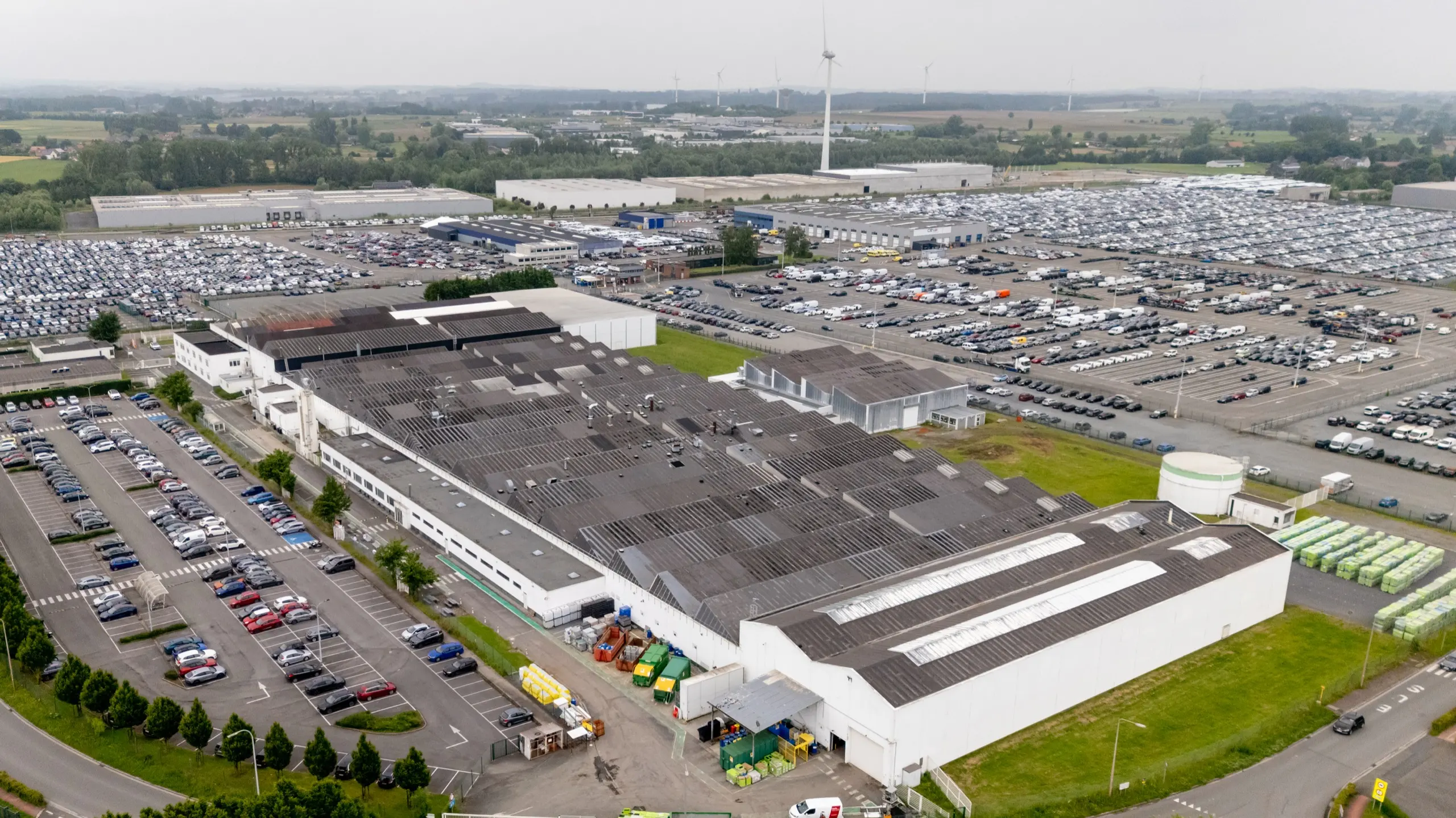
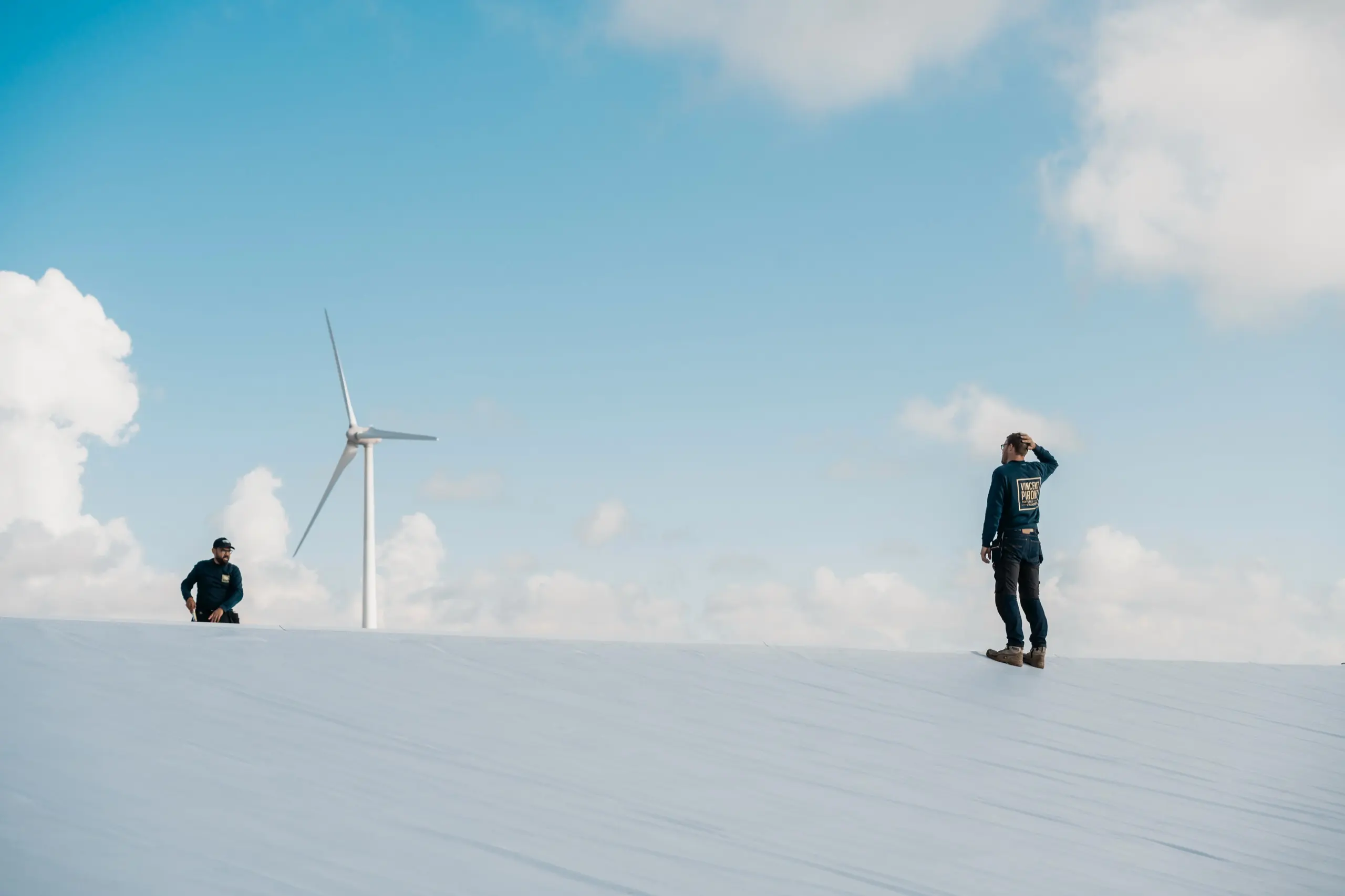
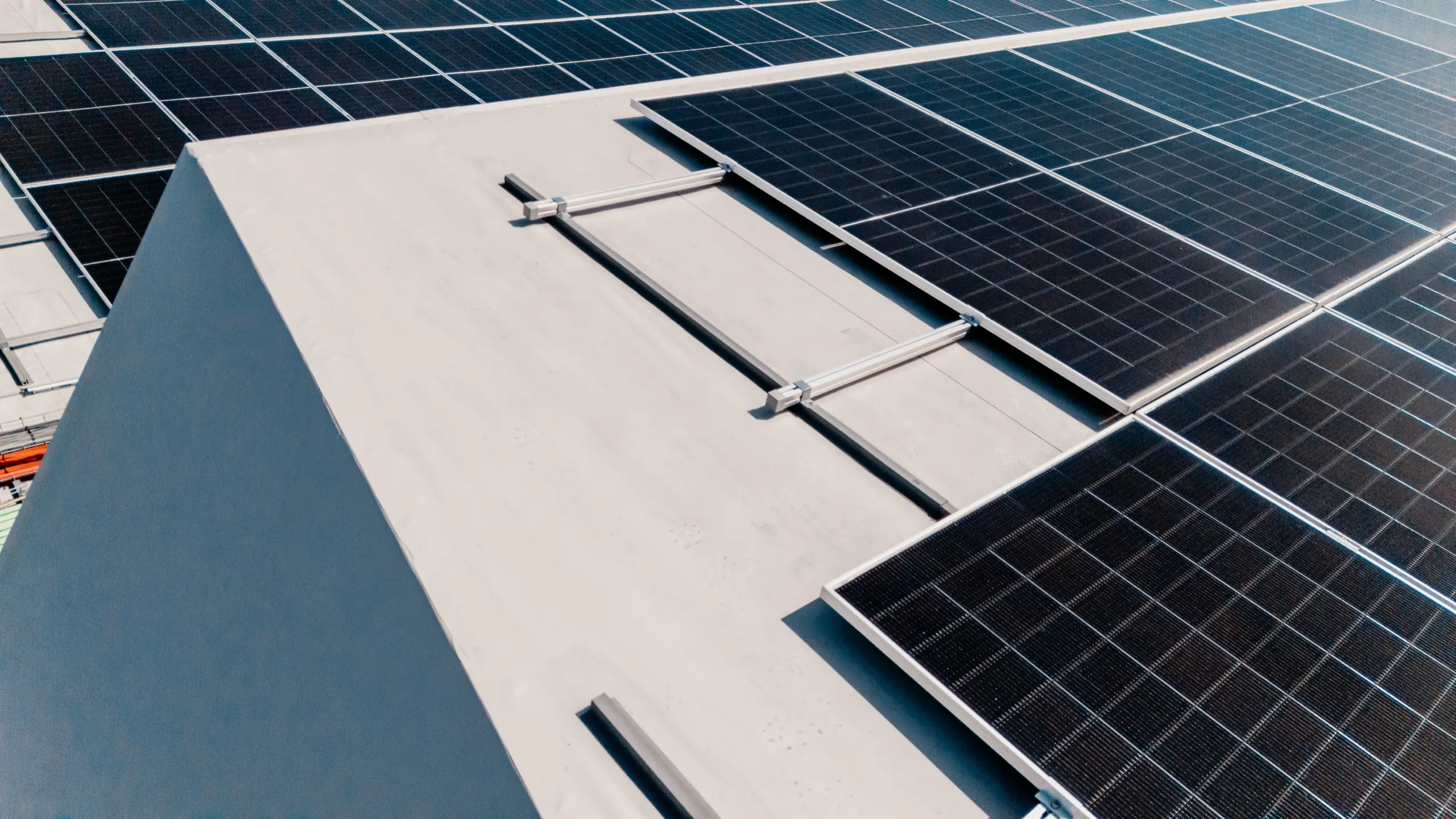
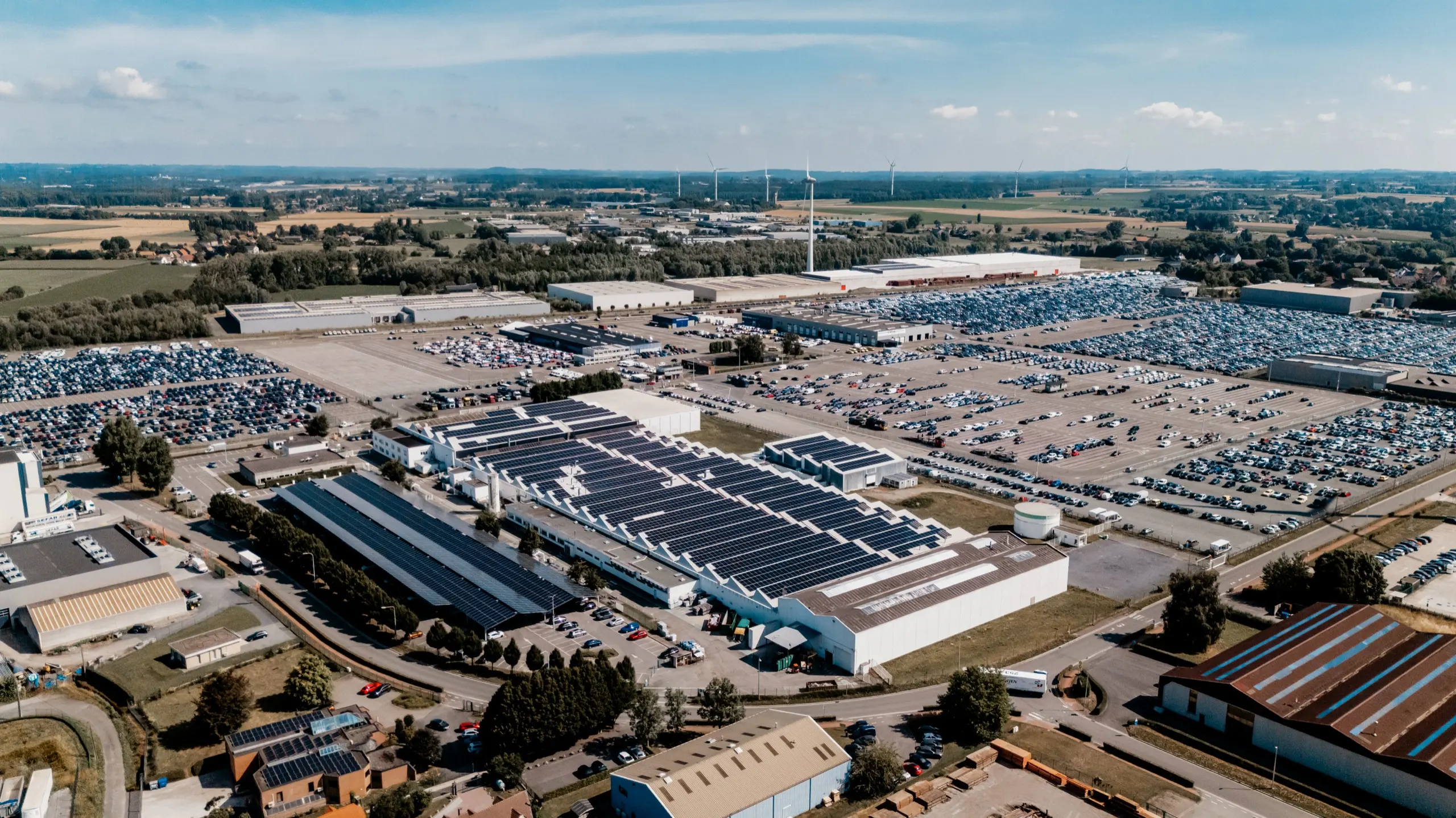
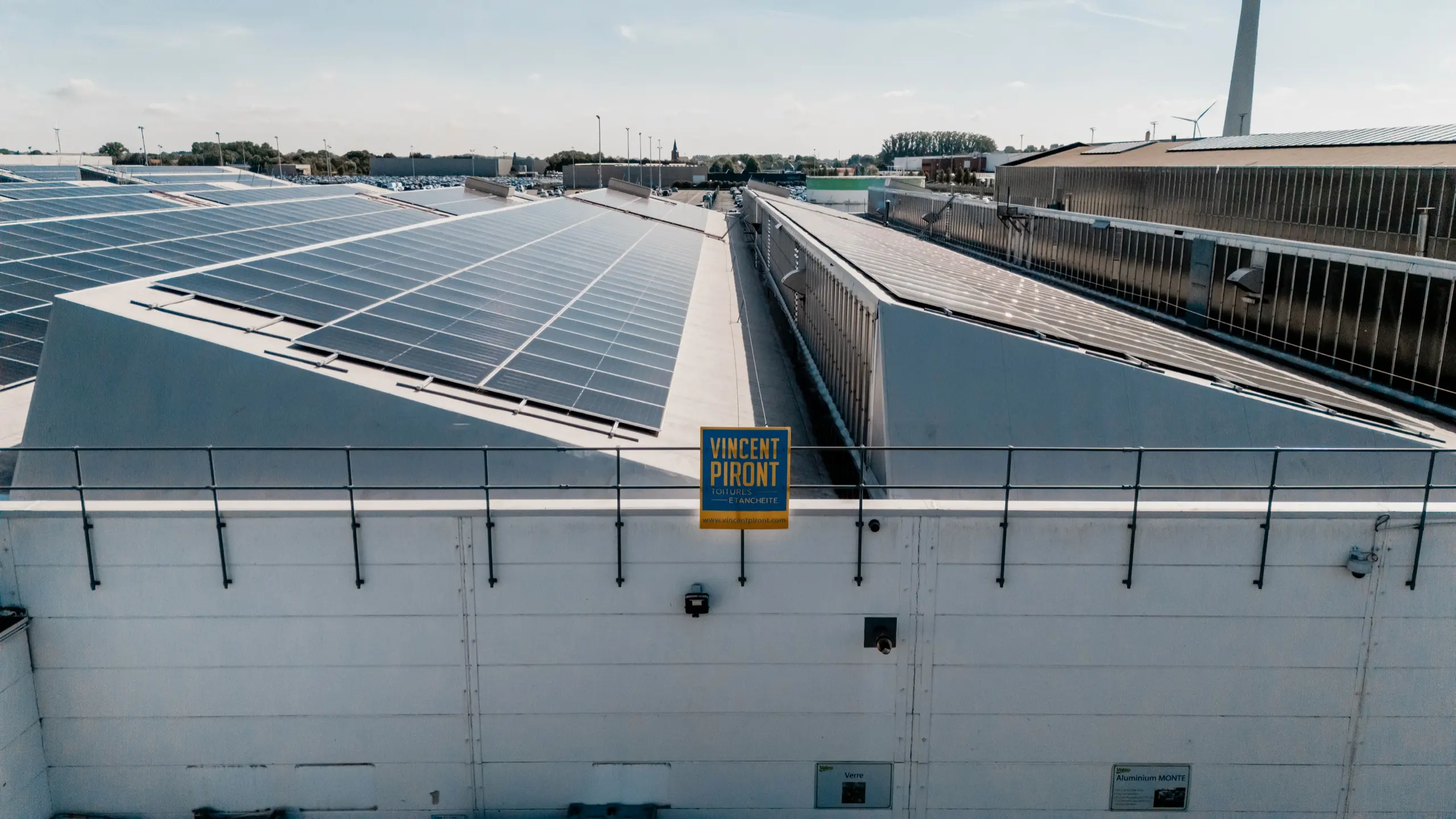
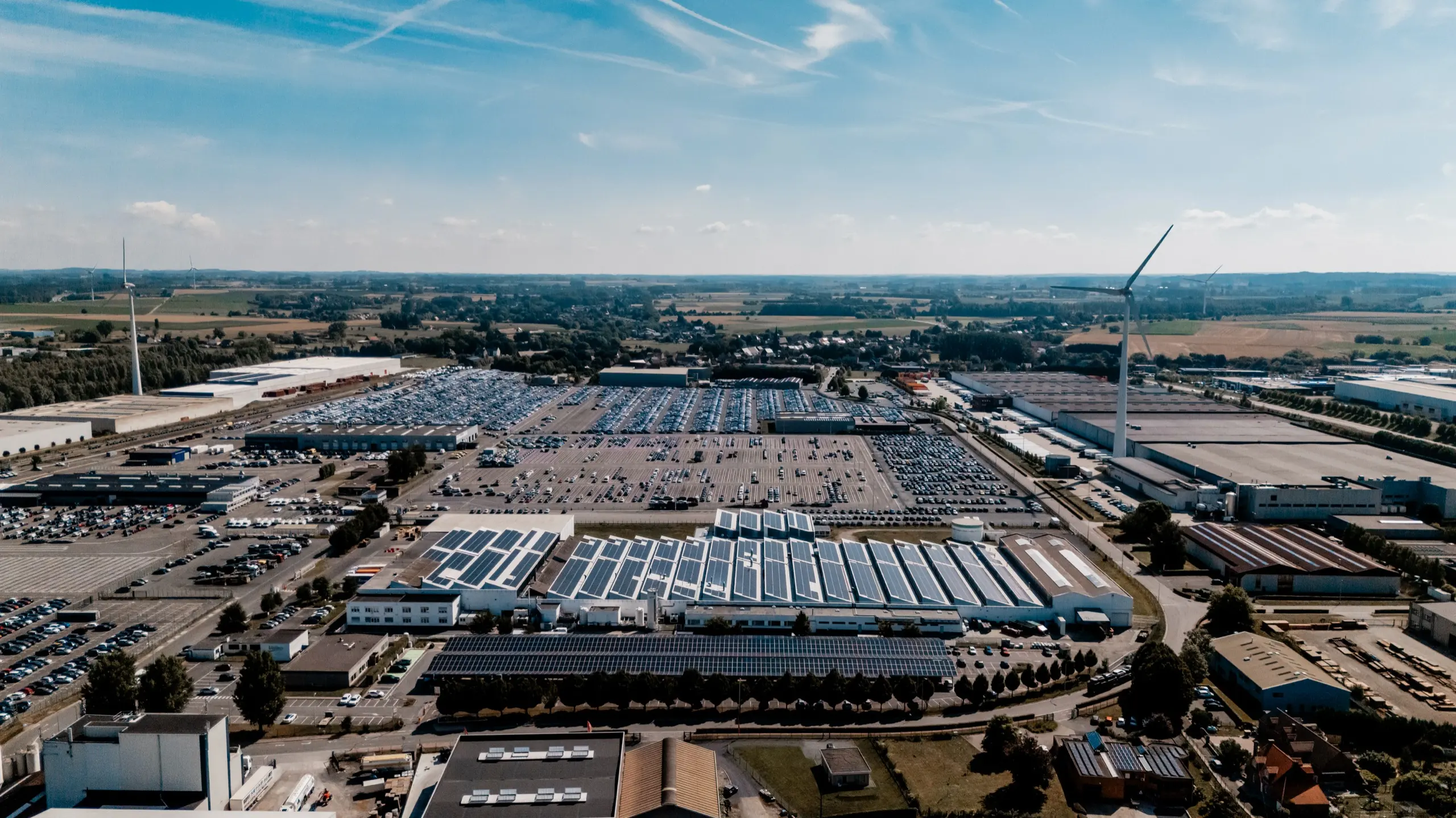
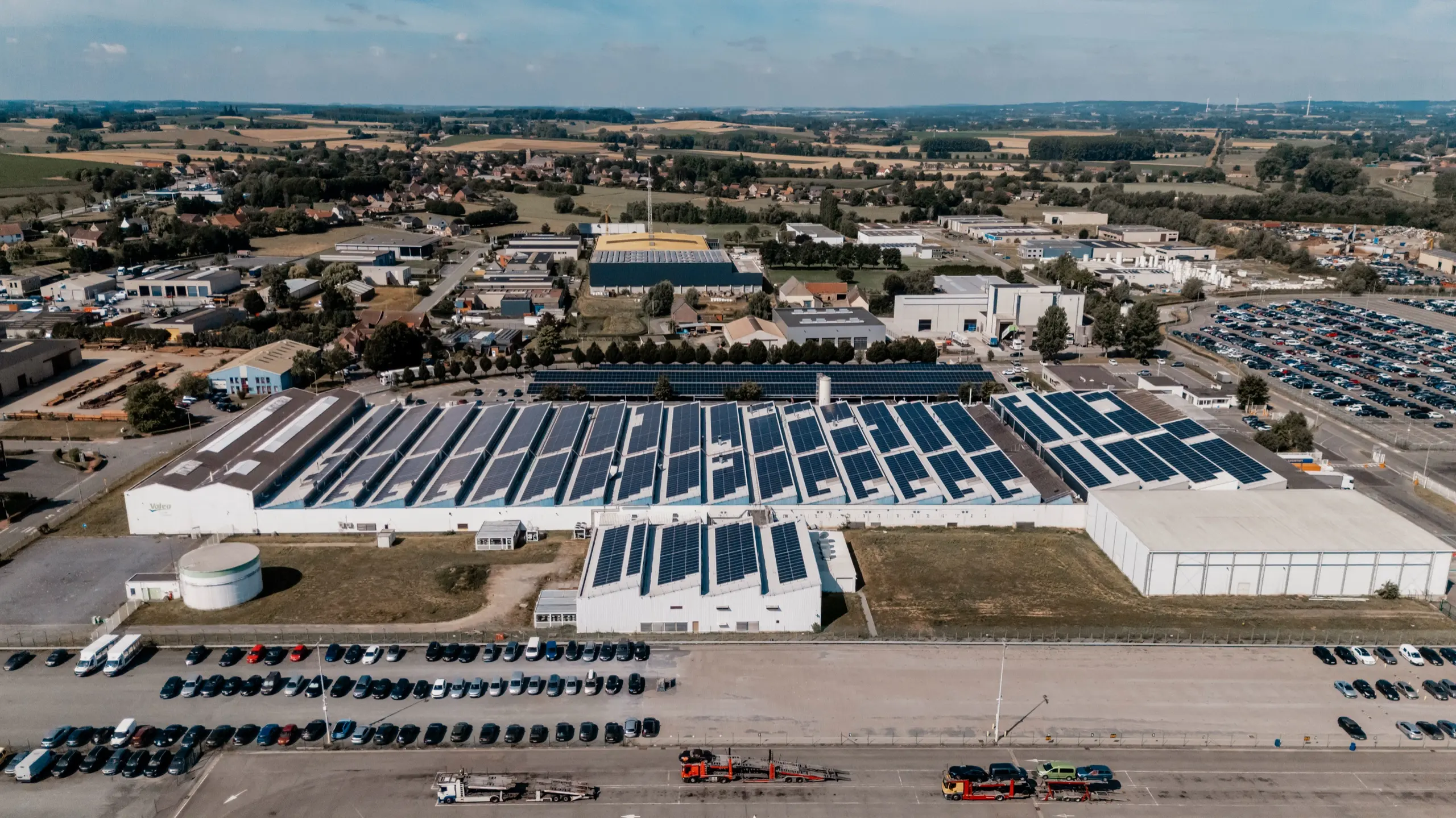
The first site I followed for Vincent Piront was the complete renovation of the roof of the Valeo factory in Ath, ahead of the installation of solar panels. I came back at every stage: before the works, at a quarter, at three quarters, and once the panels were in place.
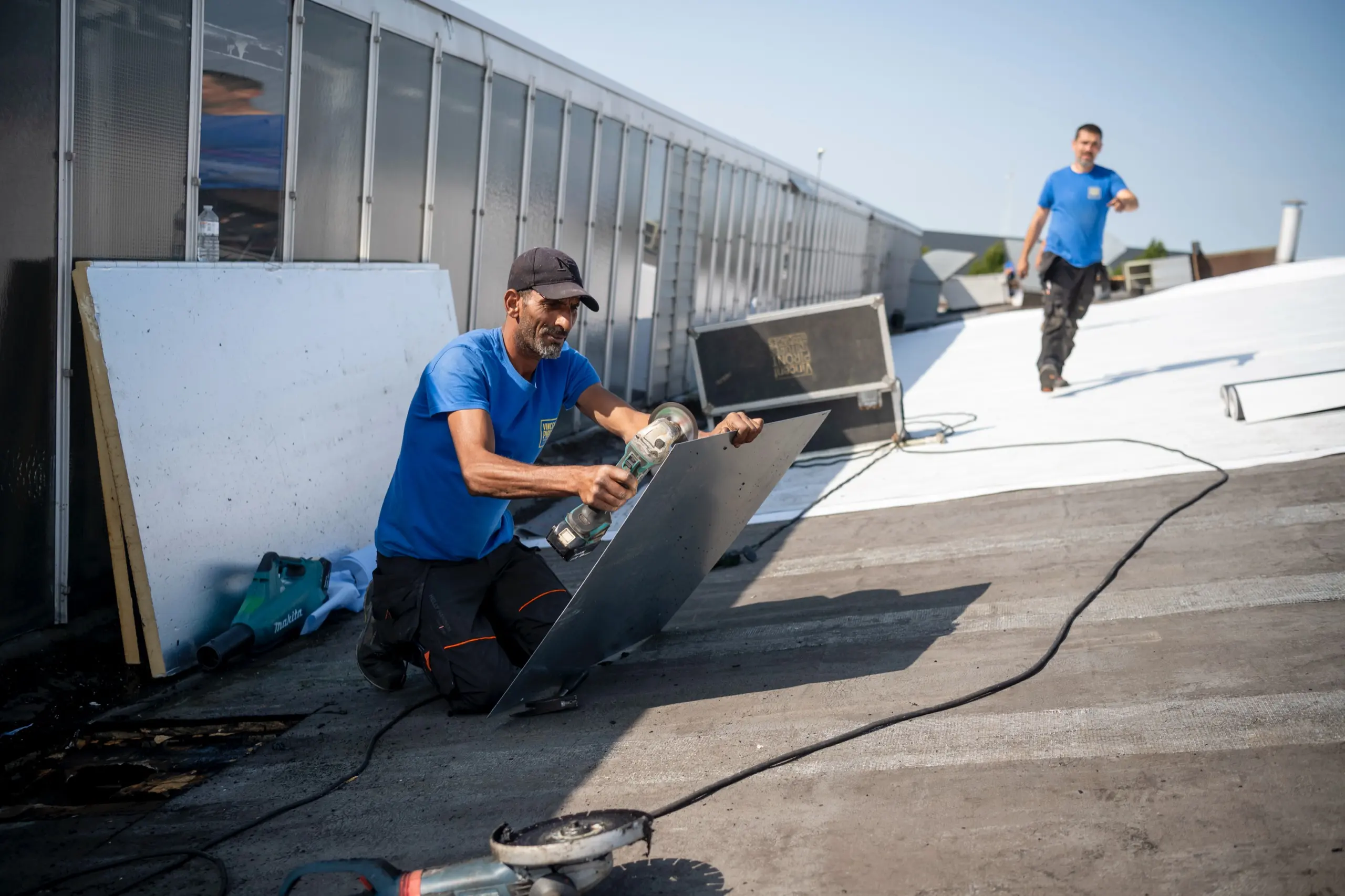
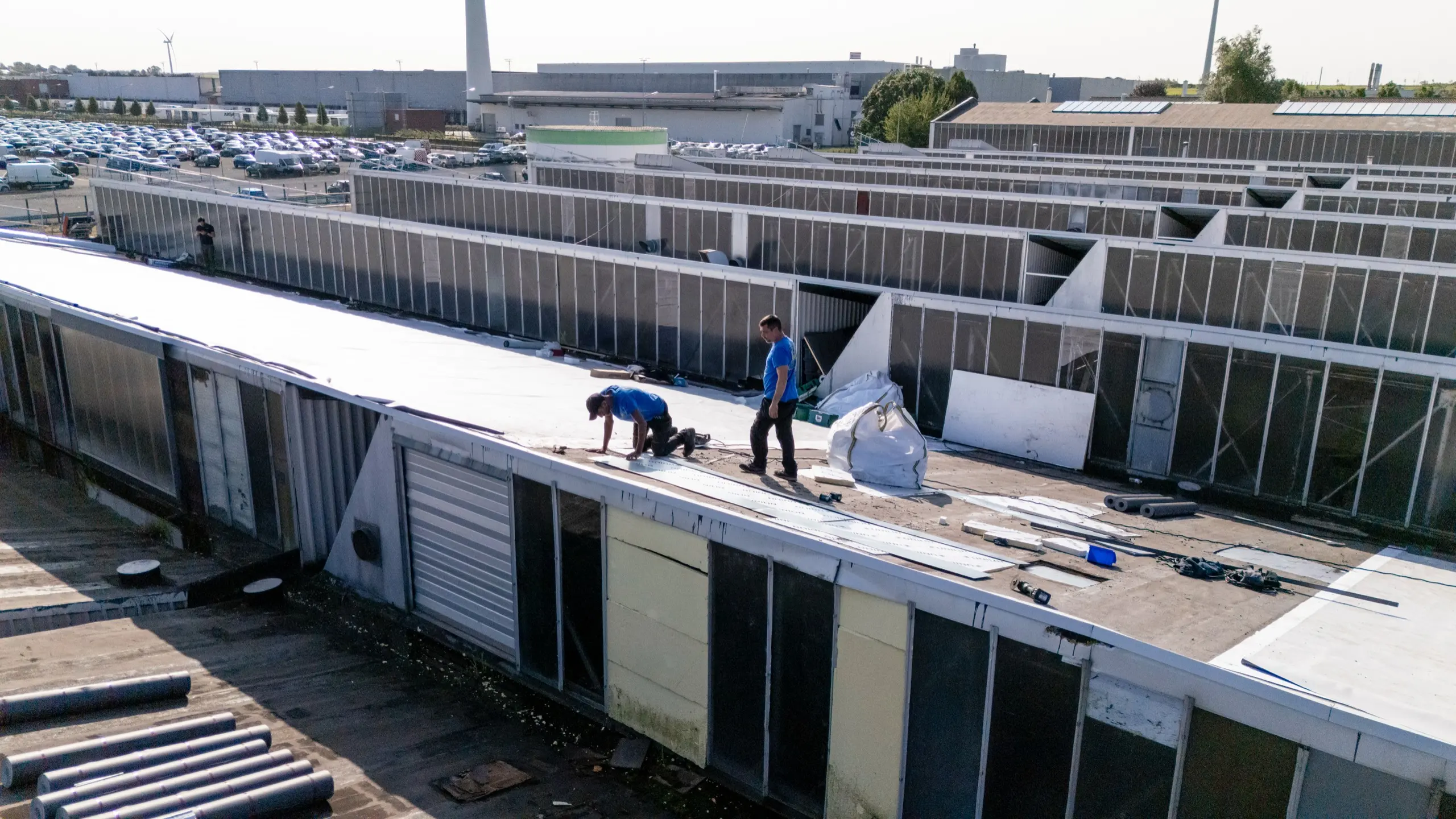
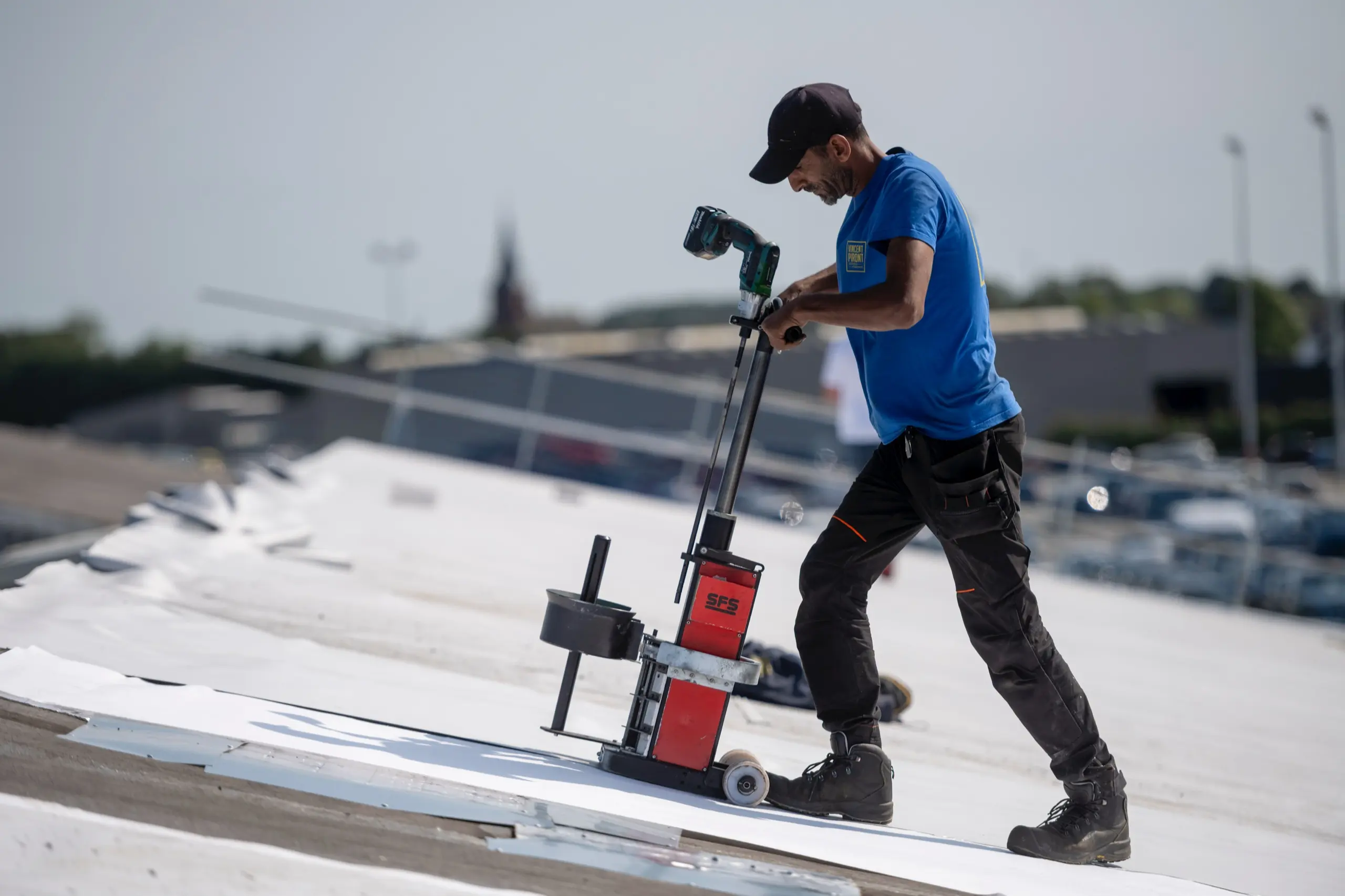
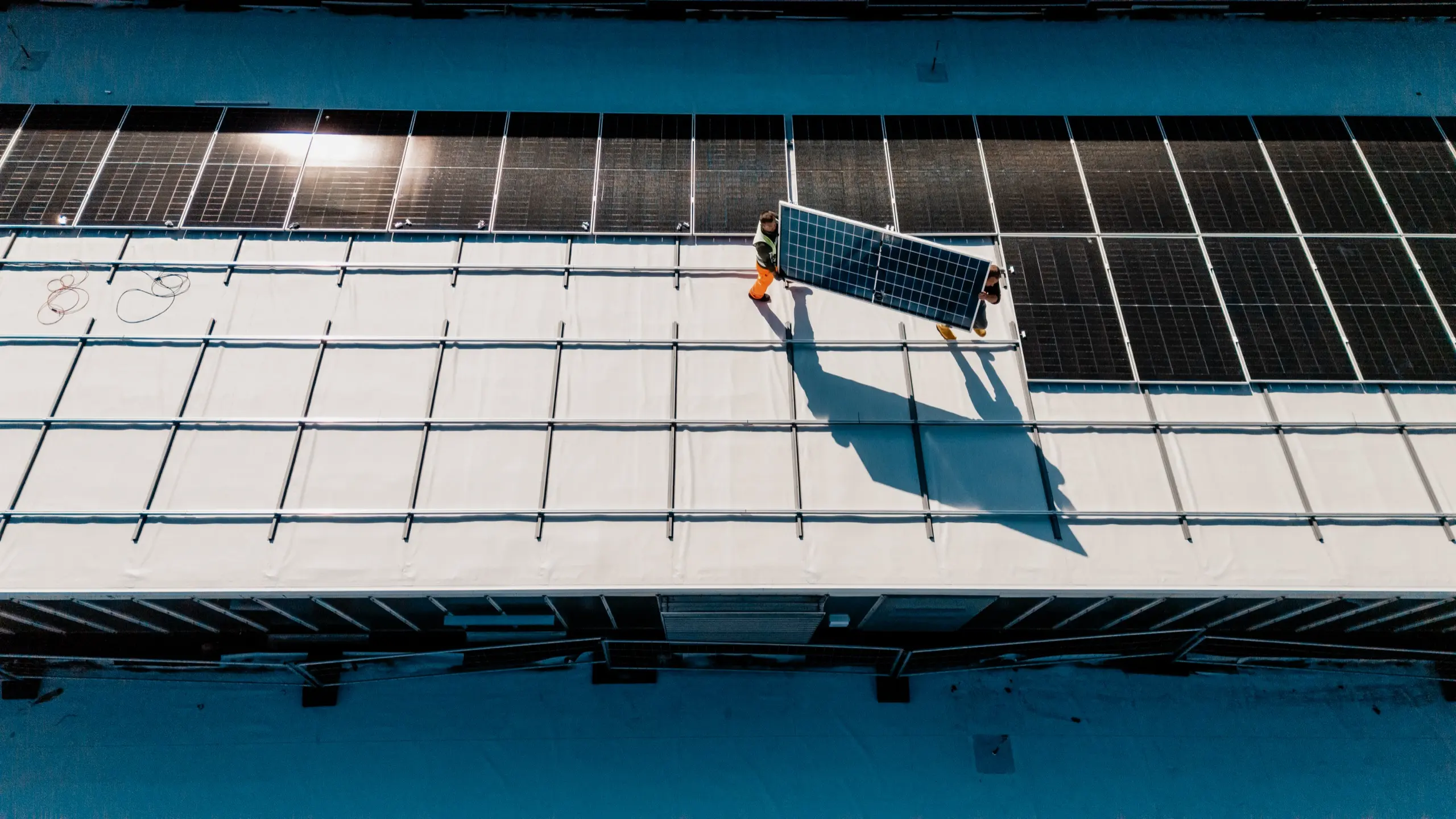
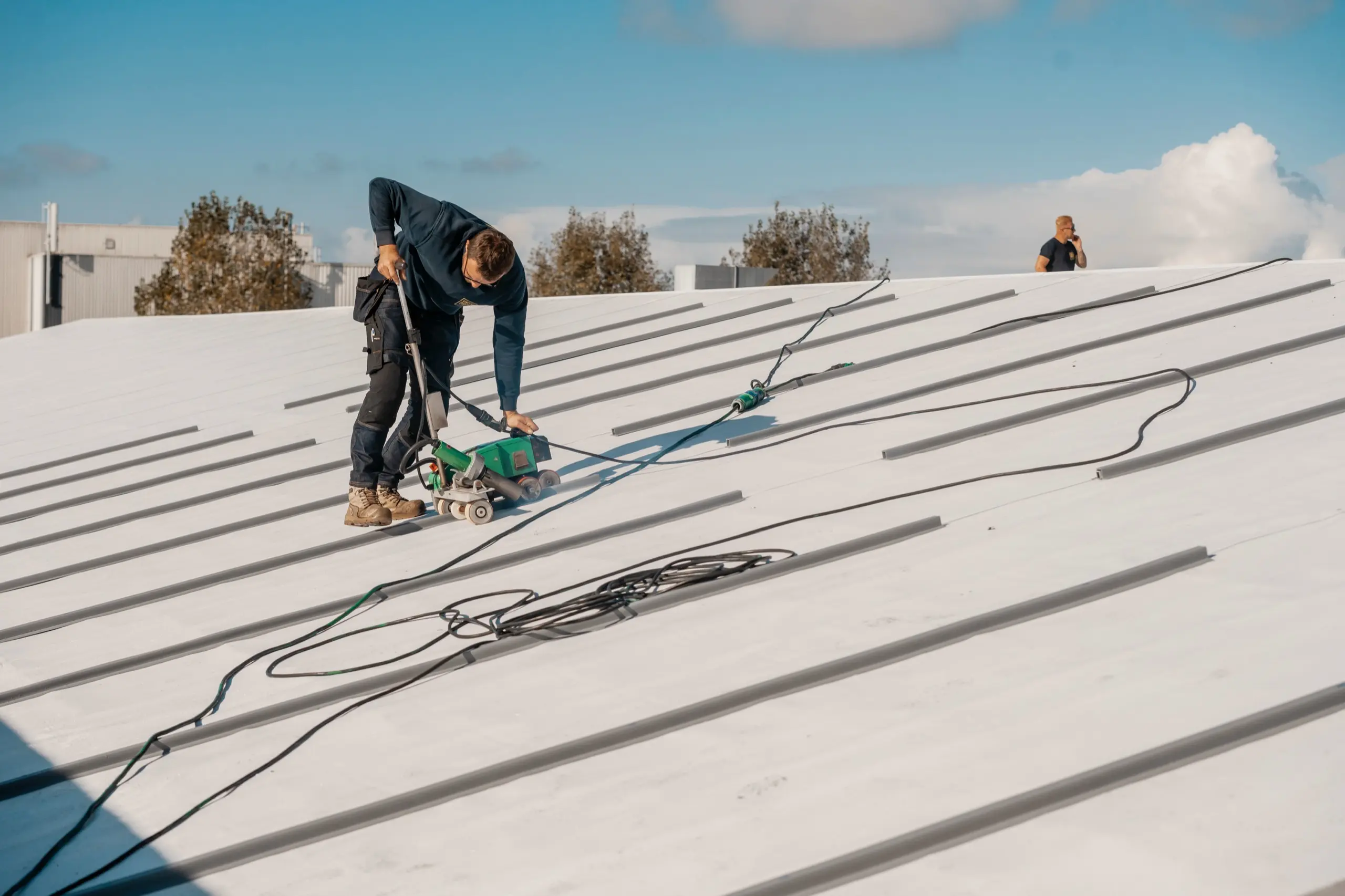
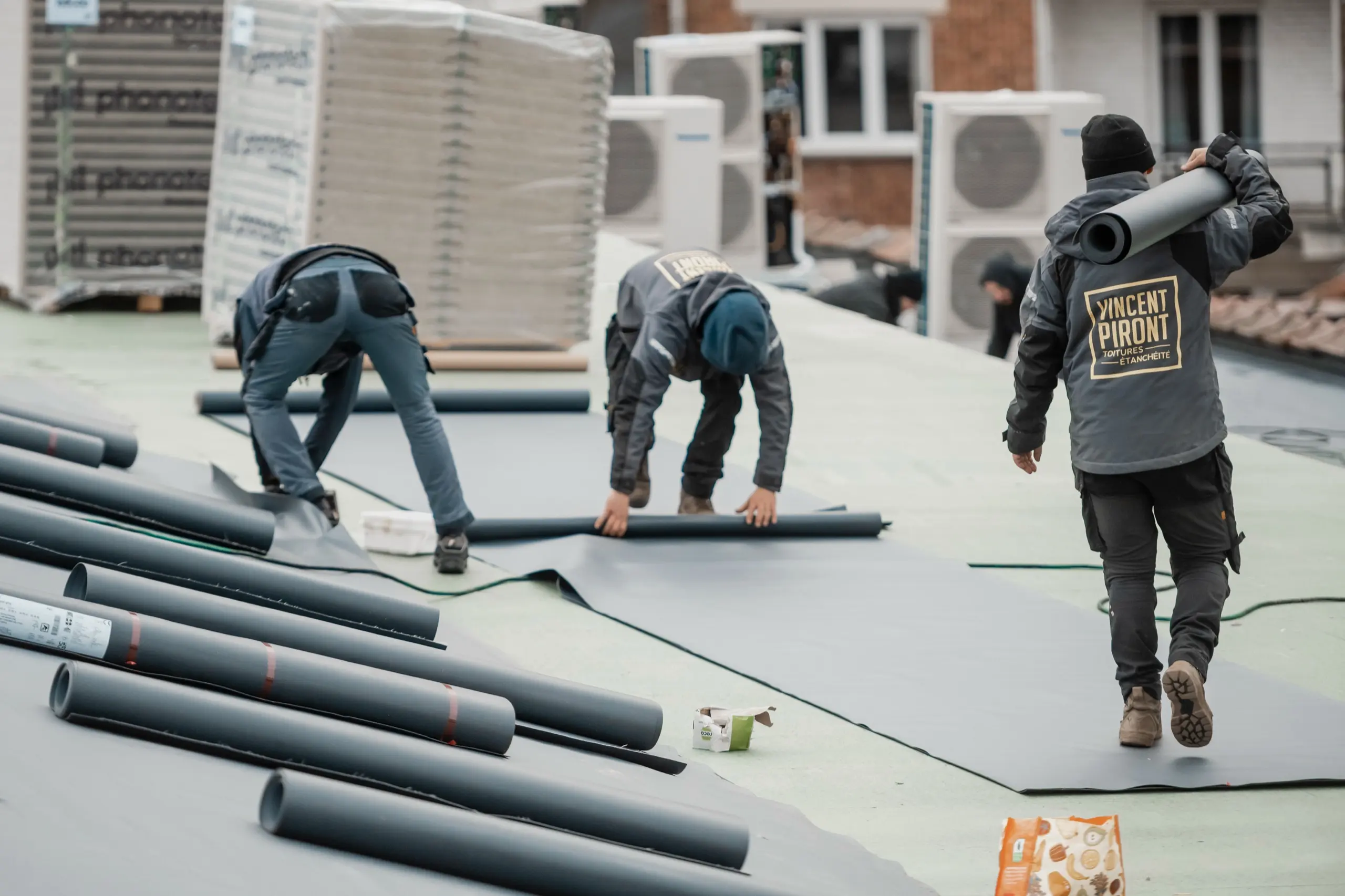
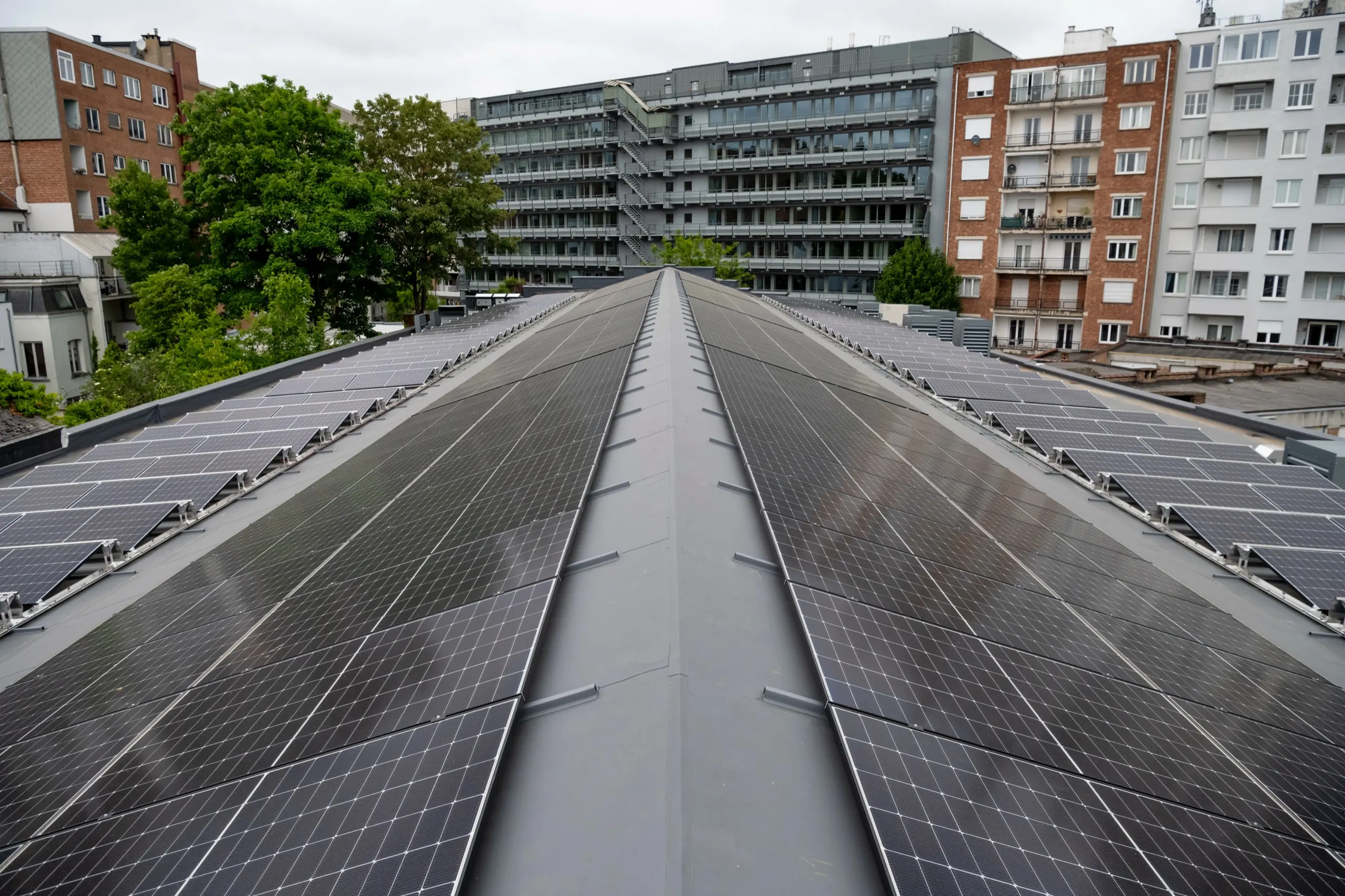
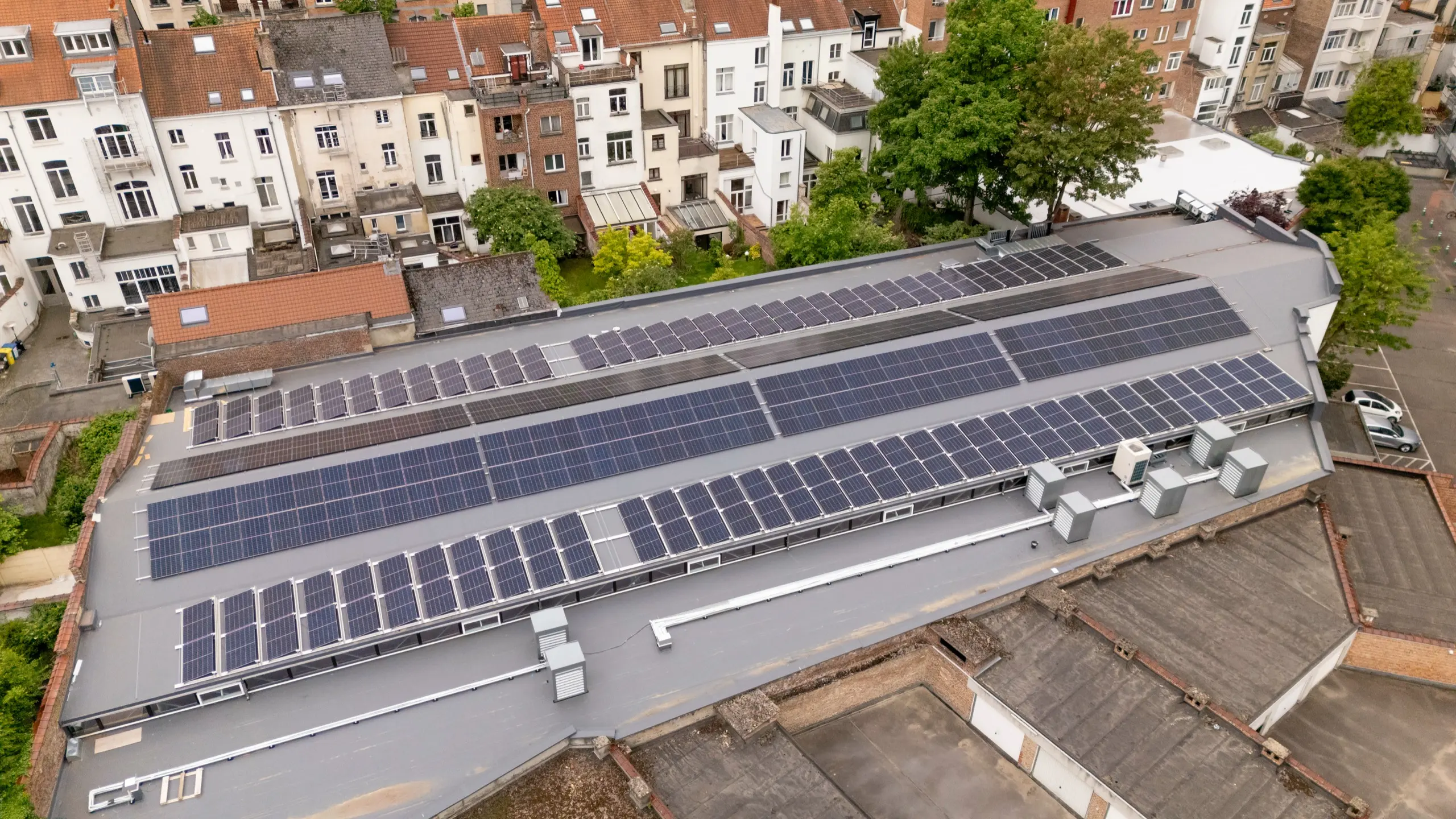
Each visit, two points of view. The drone, for scale: the long rows of sawtooth roofs, then the same roofs covered in panels, between the car parks and the wind turbines. And the ground, on the roof, close to the work: the welder crawling along the membrane, the angle grinder, panels carried by hand. The same framing from one visit to the next, so that before and after answer each other.
The factory kept running: I worked around the weather and the pace of the site, without getting in anyone’s way. An interview with the Vincent Piront team completes the film.
Etterbeek: the same method, in the city
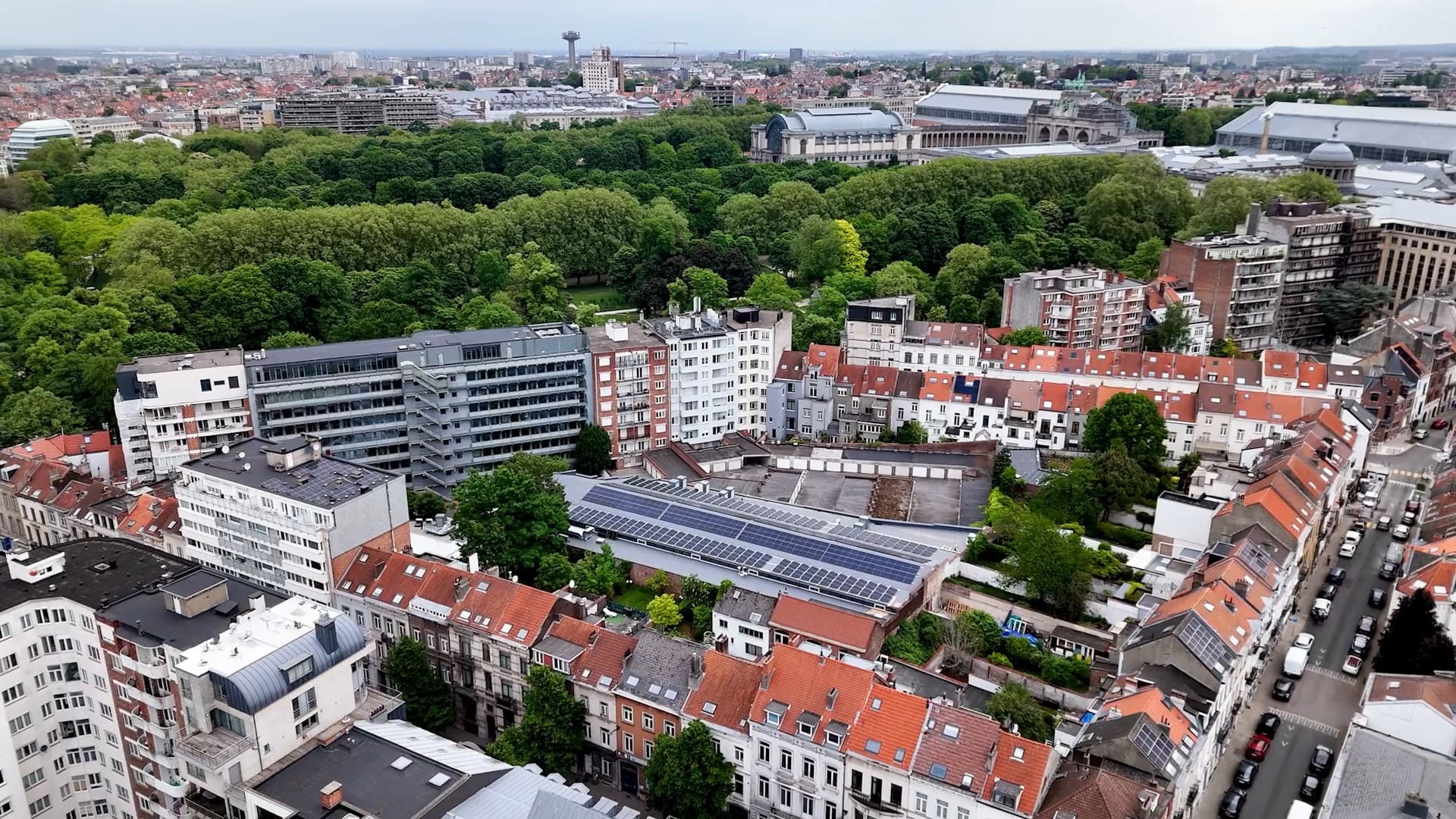
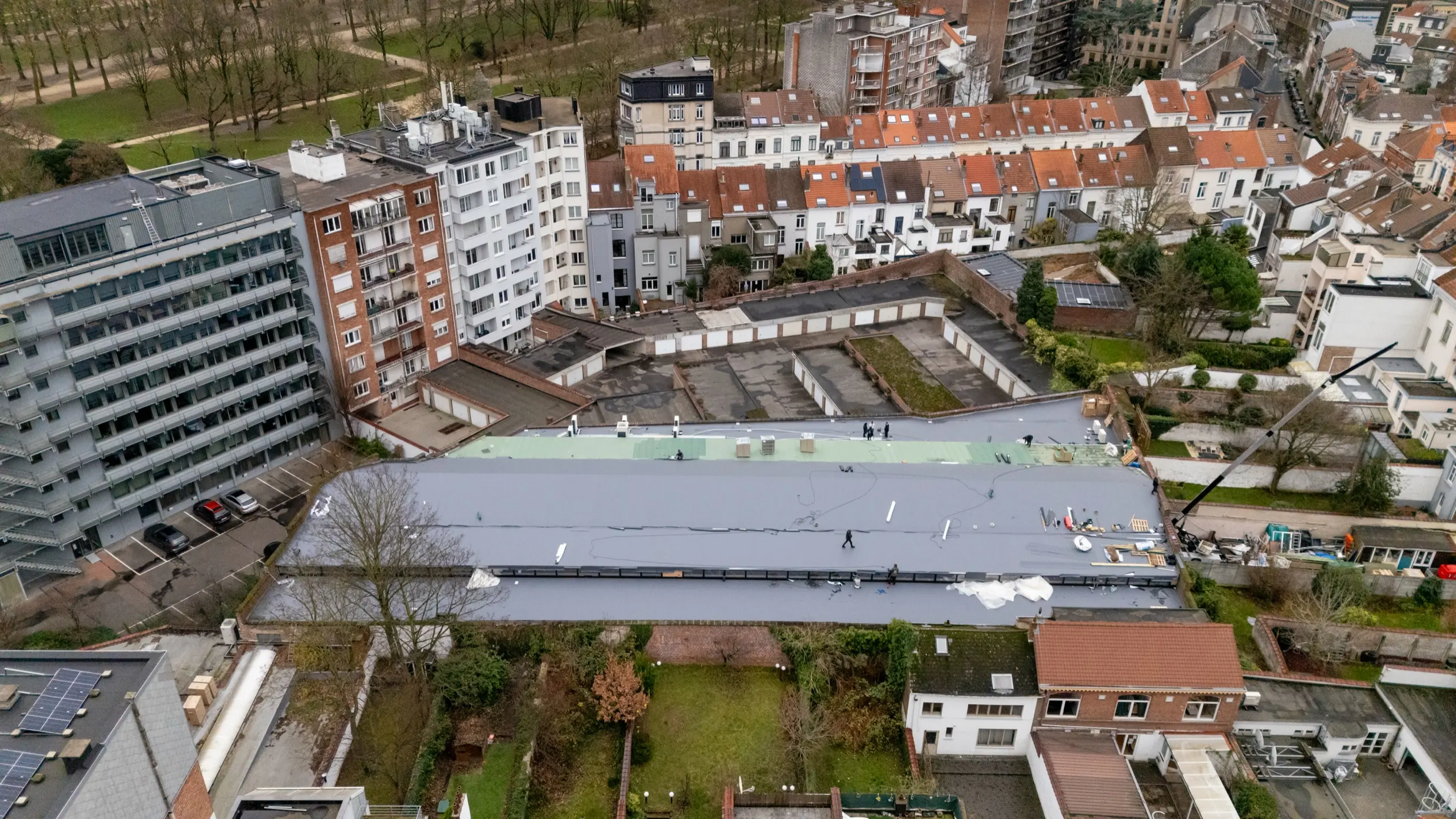
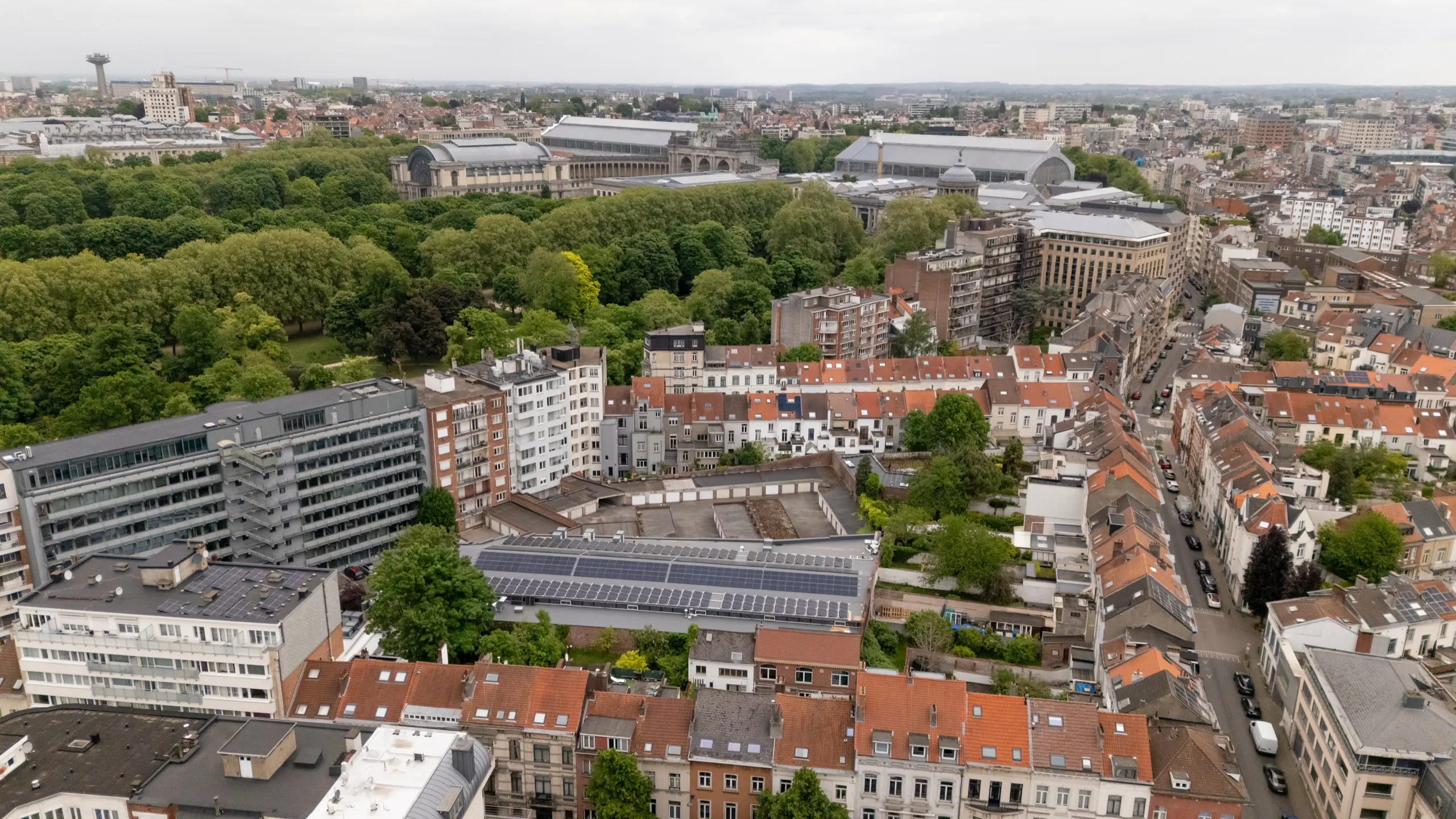
The second site ran in parallel, in the middle of Etterbeek: a large roof inside an urban block, invisible from the street. Insulation, acoustic panels, then solar panels. Here too, drone and ground at every stage, and an interview on the roof with the project’s architect and Vincent Piront.
In the city, the drone plays another part: it places the site. The film starts with the worker’s hands, then rises above the red roofs and the park next door.
What the images made possible
Vincent Piront shares these films on LinkedIn. Three edits were planned for each site: the works alone, the interview alone, and both together. The photos also work outside the film: during the works, the factory used a few drone shots to explain to its staff what was happening on the roof.
Above all, the method stuck. A third site, in Luxembourg, is being followed the same way, stage by stage.
What it means for your site
Plan the images from the start. The ‘before’ view cannot be caught up: once the works begin, it is gone.
Fix the viewpoints on the first visit. The drone and the camera return to the same spots, and the stages compare themselves.
Combine sky and ground. The drone gives the scale, the ground shows the craft: one without the other tells only half of the story.
Keep the same photographer from one site to the next. The films echo each other, and your communication keeps a common thread.
Is your site starting soon? Write me a few lines about the project.